

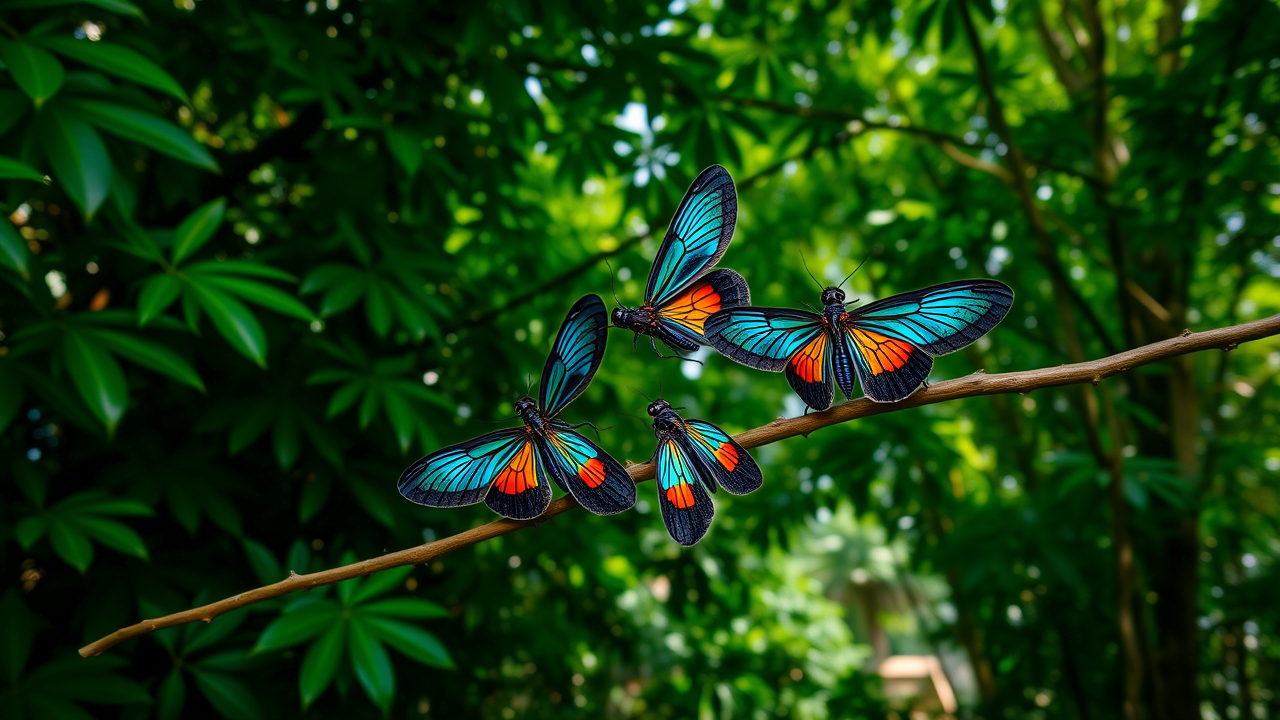
Have you ever wondered what hidden wonders lurk in the jungles of Southeast Asia? Scientists recently stumbled upon something incredible: the new lanternfly species Vietnam Cambodia. These vibrant insects dazzle with their colors and spark curiosity about their role in nature. What makes them special? How do they fit into their ecosystems? Let’s dive into this fascinating discovery and explore everything you need to know about these winged marvels!
What Are These Lanternflies Anyway?
Picture this: a forest buzzing with life, and among the leaves, you spot insects with wings like stained glass. That’s the new lanternfly species Vietnam Cambodia! Lanternflies belong to the Fulgoridae family, known for their striking looks and odd head shapes. Unlike their name suggests, they don’t glow. Instead, they flaunt bold patterns and hues that catch the eye. Researchers found four new species in Vietnam and Cambodia, each one a testament to nature’s creativity. Why do they matter? These critters play a part in their habitats that’s worth exploring.
Where Did Scientists Find Them?
Imagine trekking through dense forests, the air thick with humidity and the sound of wildlife all around. That’s where researchers uncovered the new lanternfly species Vietnam Cambodia. They scoured southern Vietnam and western Cambodia, focusing on grassy clearings and forest edges. Specific spots like Bidoup-Nui Ba National Park in Vietnam and Phnom Aural Wildlife Sanctuary in Cambodia turned up these gems. Why these places? The lush, untouched landscapes provide the perfect home for such unique insects. What secrets do these habitats hold?
What Makes Them Stand Out?
Close your eyes and think of an insect with iridescent wings and a head that looks like it’s ready for a costume party. The new lanternfly species Vietnam Cambodia boast features that set them apart. Their wings shimmer with metallic blues and fiery oranges, unlike anything you’ve seen before. Some sport elongated head structures, perfect for blending into their surroundings or signaling mates. How do they compare to other lanternflies? These newcomers, part of the Zanna genus, dazzle with flair that even their spotted lanternfly cousins in the U.S. can’t match. What’s driving these wild designs?
How Do They Fit Into Nature?
Ever thought about how a tiny bug impacts a giant forest? The new lanternfly species Vietnam Cambodia do more than just look pretty. They sip sap from trees, cycling nutrients through the ecosystem. Birds and reptiles snatch them up as tasty snacks, keeping the food web spinning. Their presence hints at a healthy environment—think of them as nature’s little health inspectors. Could they pollinate plants too? Scientists suspect their movements might sprinkle pollen here and there. How vital are they to their homes?

Are They Related to the Spotted Lanternfly?
You might know the spotted lanternfly, that pesky invader munching crops in the U.S. So, are the new lanternfly species Vietnam Cambodia cut from the same cloth? Yes and no. They share the Fulgoridae family, but these newbies belong to the Zanna genus, not the Lycorma group that includes the spotted troublemaker. While their U.S. relatives wreak havoc on grapes and apples, these Southeast Asian stars stick to their native forests. What keeps them from turning invasive? Their tight bond with local plants might be the key.
Why Should We Care About This Discovery?
Finding the new lanternfly species Vietnam Cambodia isn’t just cool—it’s a big deal. Each new species teaches us about evolution and biodiversity. These insects spotlight Vietnam and Cambodia as biodiversity hotspots, bursting with life waiting to be explored. But here’s the kicker: their homes face threats like deforestation and climate change. Protecting them means saving whole ecosystems. How does that affect us? Healthy forests clean our air and store carbon—pretty eco-friendly, right? Why wouldn’t we cheer for that?
What Threats Do They Face?
Picture a forest shrinking as loggers and farms creep in. That’s the reality for the new lanternfly species Vietnam Cambodia. Deforestation chops away their habitats, leaving them nowhere to go. Climate change messes with rainfall and temperatures, throwing their lives out of whack. Urban sprawl adds another punch, paving over nature. Can they adapt? Maybe, but time’s ticking. What happens if we lose them? The ripple effect could shake up their ecosystems, and that’s not a risk worth taking.
How Did Scientists Identify Them?
Curious about the detective work behind the new lanternfly species Vietnam Cambodia? Researchers didn’t just stumble across them—they hunted with purpose. They swept nets through forests, set up light traps, and collected specimens. Back in the lab, DNA sequencing cracked the code, proving these were brand-new species. Experts like Jérôme Constant and Hong Thai Pham named them—think Zanna chartieri and Zanna bidoupana. How precise is this process? It blends old-school observation with cutting-edge tech. Pretty impressive, huh?
What’s Next for These Lanternflies?
So, what’s the future hold for the new lanternfly species Vietnam Cambodia? Scientists itch to learn more—how do they breed, what do they eat, and how do they dodge predators? Conservationists push to shield their forests from harm. Local communities could even weave them into eco-tourism, boosting awareness and funds. Will they thrive? That depends on us. Pitching in with sustainable choices—like supporting green products—helps their cause. What can you do to join the fight?
Why Are Vietnam and Cambodia Hotspots?
Ever wonder why Vietnam and Cambodia keep popping up with discoveries like the new lanternfly species Vietnam Cambodia? Their tropical climates and varied landscapes—think rainforests, mountains, and wetlands—create a playground for life. These countries cradle unique species found nowhere else. But that richness draws danger too: logging and agriculture nibble away at it. How do we balance growth and nature? That’s the million-dollar question these lanternflies nudge us to answer.

Table: Biography of New Lanternfly Species Vietnam Cambodia
| Attribute | Details |
|---|---|
| Scientific Family | Fulgoridae (Planthoppers) |
| Genus | Zanna |
| Species Names | Zanna chartieri, Zanna limbourgi (Cambodia); Zanna bidoupana, Zanna kusamae (Vietnam) |
| Discovery Date | September 2024 |
| Locations | Southern Vietnam (e.g., Bidoup-Nui Ba National Park), Western Cambodia (e.g., Phnom Aural Wildlife Sanctuary) |
| Physical Traits | Iridescent wings (blues, oranges), elongated head structures |
| Habitat | Tropical forests, grassy clearings |
| Diet | Tree sap |
| Ecological Role | Nutrient cycling, prey for predators, possible minor pollination |
| Threats | Deforestation, climate change, urbanization |
| Conservation Status | Not yet assessed, but habitat protection is critical |
| Researchers | Jérôme Constant, Hong Thai Pham |
| Publication | European Journal of Taxonomy, Sept. 25, 2024 |
Wrap-Up: Why These Lanternflies Rock
The new lanternfly species Vietnam Cambodia aren’t just bugs—they’re a window into nature’s wild imagination. Their dazzling looks and quiet roles in forests remind us how connected everything is. Will we step up to protect them? Exploring their world shows us what’s at stake—and what’s worth saving. So, next time you hear about a new species, ask yourself: what’s their story, and how can I help tell it?